
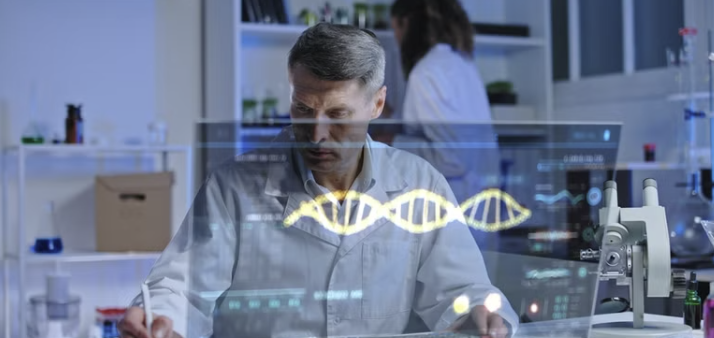
Biomedical technology is often associated with dramatic inventions like surgical robots or gene editing, but some of the most vital advances happening today are quieter and more practical. Across hospitals, laboratories, and even homes, new tools are steadily transforming healthcare into something faster, smarter, and more personalized. These developments may not always make headlines, but together they are reshaping how people experience medicine from diagnosis to recovery. We are moving away from a world of waiting for symptoms to appear and toward a reality where technology acts as a silent partner in our long term well-being.
One important area of progress is diagnostic technology. In the past, diagnosing a disease often depended on symptoms becoming severe enough to notice. Today, biomedical devices are making it possible to detect problems much earlier. Advanced imaging systems, portable ultrasound machines, and highly sensitive blood tests can reveal illness before it reaches a dangerous stage. In some cases, early detection can mean the difference between a manageable condition and a life-threatening crisis. This is especially important for diseases such as cancer or heart disease where every day counts.
Another major advance is the growing use of artificial intelligence in medicine. AI is not replacing doctors, but it is becoming a powerful support tool. It can analyze medical images, identify patterns in patient data, and help predict which patients may be at risk for complications. For example, AI systems can assist radiologists by highlighting suspicious areas on scans that the human eye might miss. In hospitals, predictive tools can help staff respond more quickly to warning signs of infection or organ failure. This makes care not only more efficient but also significantly safer for the person in the hospital bed.
Biomedical technology is also improving how we create the medicines of tomorrow. Creating a new drug has traditionally been an expensive and slow process. New computational tools now allow scientists to model how drugs interact with the body before they ever enter large scale testing. Researchers are even using organ on a chip systems. These are tiny devices lined with living human cells that allow scientists to study disease in ways that closely resemble the human body. These tools can reduce wasted time and increase the chances that promising treatments will succeed.
At the patient level, implantable and assistive technologies are making everyday life easier and more dignified. Pacemakers, cochlear implants, insulin pumps, and prosthetic limbs have all become more sophisticated and intuitive. Modern prosthetics can respond more naturally to movement and offer much better comfort. Smart insulin delivery systems can track glucose levels and adjust medication automatically. These are not simply machines attached to the body. They are becoming integrated systems that support independence and help people feel more like themselves.
Telemedicine has also benefited from this wave of innovation. Remote consultation became common recently, but its future depends on better diagnostic tools that patients can use at home. Home testing kits, digital stethoscopes, and smartphone connected devices now allow doctors to gather meaningful health data from a distance. This is particularly valuable for people in rural areas or older adults with mobility challenges. Even with these leaps, we must ensure that breakthroughs are affordable and accessible to everyone. The ultimate goal of biomedical technology is to build a medical system that sees problems earlier and supports healthier lives in everyday ways.
MINGHAO WANG